The Power of the Unexplainable

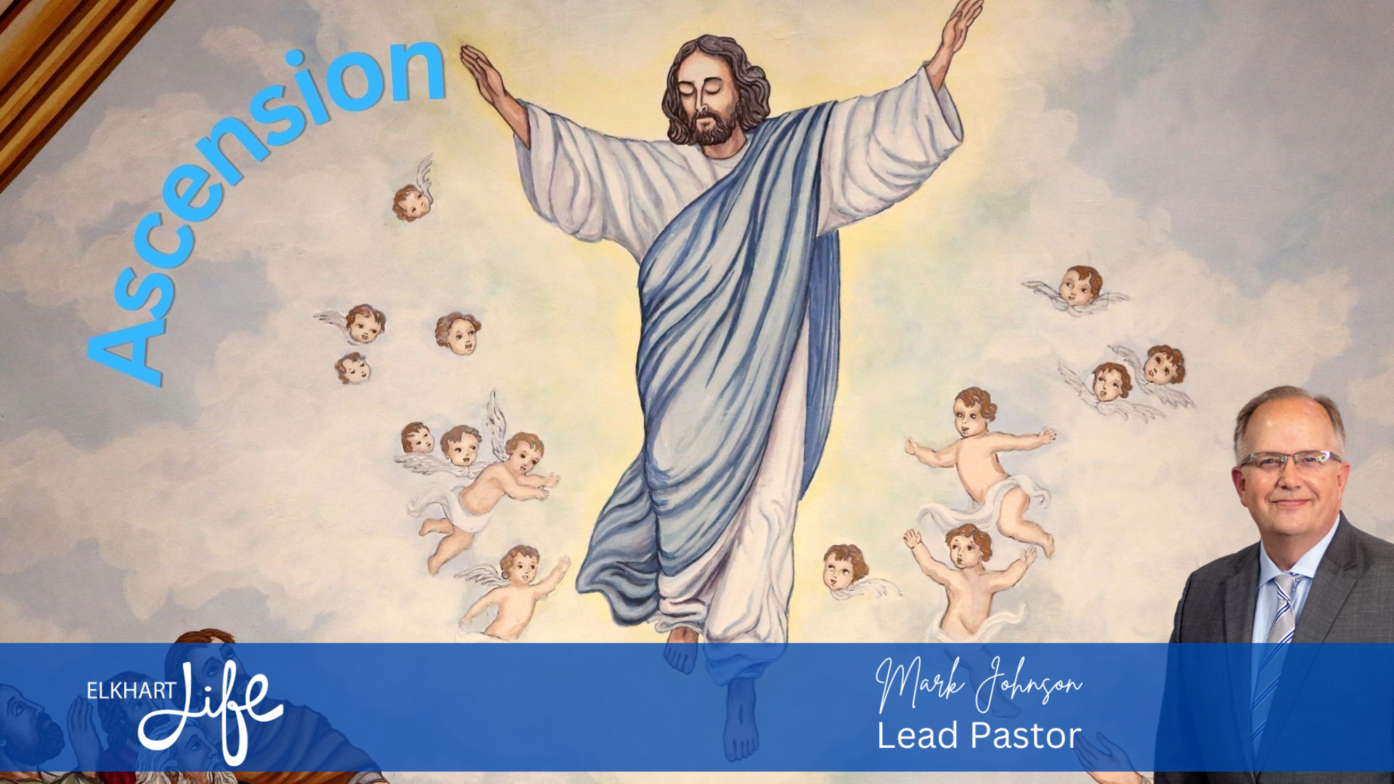
The Power of the Unexplainable: Understanding God's Miraculous Work
Faith often requires us to embrace what we cannot fully understand. When we try to comprehend every detail of God's miraculous power, we can miss the most important truth: it's not about the "how" but about the "who."
Why We Don't Need to Understand Everything About God
God performs miracles that defy human understanding. He heals the blind, the deaf, and the lame. He raised Lazarus from a decaying body. In the Old Testament, He made the sun and moon stand still. If the earth suddenly stopped rotating at thousands of miles per hour, the physics alone would be catastrophic - yet God controlled it all.
We serve a God who is bigger than our capacity to understand how or why He does what He does. When we get caught up in trying to explain the "how," we miss the point entirely. We need to focus on the "who."
The Focus Should Be on Who, Not How
Who is going to heal? Jesus. Who is going to change your mind? Jesus. Who is going to wash away sin? Jesus. When you believe in the "who," you receive the "how" and the "why." Some things we'll understand better by and by, but faith doesn't require complete understanding.
Jesus' 40 Days After the Resurrection
Acts 1:3 tells us that after His resurrection, Jesus "showed himself alive after his passion by many infallible proofs, being seen of them forty days, and speaking of the things pertaining to the kingdom of God."
The apostles had no clue what was happening during the crucifixion. When Jesus died, they thought it was over. Peter went back to fishing - what he knew before following Jesus. But Jesus appeared to them repeatedly, explaining His purpose and plan.
Jesus Appeared Multiple Times
Scripture records Jesus appearing to:
- The women at the tomb (Matthew 28:9)
- Ten disciples, then all eleven
- Disciples at the Sea of Galilee
- Two on the road to Emmaus (Luke 24:15)
- Over 500 people at one time (1 Corinthians 15:6)
Each appearance was an opportunity for Jesus to explain who He really was and what He came to accomplish.
The Road to Emmaus: A Jesus Perspective
On the road to Emmaus, two disciples were in despair, discussing the terrible events they'd witnessed. Jesus walked alongside them, though they didn't recognize Him. As they complained about their confusion and hopelessness, Jesus explained how the Old Testament prophesied everything that had happened.
Sometimes what we need most is a Jesus perspective on our situation - His viewpoint on our problems, heartaches, and complications. When Jesus spoke, their hearts burned within them. God's words were having impact in their innermost being.
The Moment of Recognition
When they invited Jesus to stay and eat with them, He broke bread and prayed. Suddenly, their eyes were opened and they recognized Him. Many of us have had similar eye-opening experiences where God revealed Himself through prayer, preaching, or reading His word.
What About the Power We Already Have?
Before Jesus' death and resurrection, He sent out 70 disciples two by two. They returned rejoicing because demons were subject to them, people were healed, and miraculous things happened. Yet they didn't have the Holy Ghost - Jesus hadn't been resurrected yet.
In Acts 8, we see a revival in Samaria with great joy, miracles, and people getting baptized in Jesus' name. But the scripture specifically states "the Holy Ghost had fallen on none of them." You can have great faith, great miracles, and great joy without having received the Holy Ghost.
Why Do We Need More Power?
If the disciples already had power to cast out demons and perform miracles, why did Jesus tell them to wait in Jerusalem for more power? Because there was something greater coming - the birth of the church through the baptism of the Holy Ghost.
The Day of Pentecost: When the Church Was Born
Jesus told His disciples to wait in Jerusalem until they were "endued with power from on high" - power to be witnesses. He didn't give them a timeline or detailed instructions, just told them to wait.
For ten days they waited, not knowing what to expect. Then on the day of Pentecost, "there came a sound from heaven as of a rushing mighty wind, and it filled all the house where they were sitting. And there appeared unto them cloven tongues like as of fire, and it sat upon each of them. And they were all filled with the Holy Ghost, and began to speak with other tongues, as the Spirit gave them utterance."
Why Speaking in Tongues?
The tongue is described as our most unruly member. If we're going to sin, we often sin with our words. For God to take control of our tongue - the part of us that sins most - represents a complete yielding to His Spirit. It's supernatural and substantive.
When we receive the Holy Ghost, God wants to transform us down to our very speech. Out of the abundance of the heart, the mouth speaks. If bitterness and sweetness come from the same well, people can't tell which is real.
The Complete Transformation
Think of receiving the Holy Ghost like moving to a new house. First, you go through and get rid of useless things (repentance). Then you empty everything out and clean the space (baptism). Finally, you move in and decorate with new things (Holy Ghost filling).
When the Holy Ghost comes in, God decorates you with anointing, love, and spiritual gifts. You become a new creature in Christ - old things pass away, and all things become new.
Everyone Should Be a Witness
The power Jesus promised was "power to be witnesses." Everyone who receives the Holy Ghost should be able to testify: "Jesus saved me, Jesus filled me, Jesus changed me, Jesus made a difference in my life."
If you're ashamed of Jesus, He'll be ashamed of you. We receive this great gift not to keep it to ourselves, but to share it with others who need the same transformation.
Life Application
This week, stop trying to understand everything about God and focus on who He is. Instead of getting caught up in the "how" of God's miracles, trust in the "who" - Jesus Christ who has power to heal, save, and transform lives.
Consider whether you've received the fullness of what God offers. You might have faith, you might see answers to prayer, but have you been filled with the Holy Ghost? Are you yielding every part of your life - including your speech - to God's control?
Ask yourself these questions:
- Am I trying to understand God completely before I trust Him completely?
- Do I have a "Jesus perspective" on my current challenges and problems?
- Have I received the Holy Ghost, or am I settling for less than God's fullness?
- Am I using my voice to witness for Christ, or am I ashamed to speak about what He's done?
- What areas of my life am I still trying to control instead of yielding to God's Spirit?
God wants to move into your life completely - not just to answer prayers or provide help, but to fill you with His Spirit and transform you into a new creation. Don't settle for anything less than His best.